Animal protection

From cats to a cause.

Before I fell in love with tropical plants, my heart already belonged to animals—especially cats. At the age of five, I confidently informed my mother that I needed one, and cats have been part of my life ever since.

Four cats have been my long-term companions, while more than one hundred others have temporarily passed through my home as foster cats. I have also shared my home with dogs, rabbits, hamsters, guinea pigs, birds, fish, rats, mice and even hedgehogs.

This involvement eventually led me to co-found my own animal-protection association, HumAnima.

Discover HumAnima
A cat connected to my animal-protection journey

How it started

One meaningful summer became many years of volunteering.

01

In 2009, after passing all my university exams on the first attempt—a detail that clearly remains important enough to mention—I was looking for a useful way to spend the summer. I asked my veterinarian whether I could help at his clinic. Instead, he invited me to join him at the animal shelter where he also worked.

At the time, I thought that living with two cats meant I understood cats. The shelter corrected that assumption very quickly. Every cat was different, and many arrived frightened, abandoned or no longer able to trust people.

02

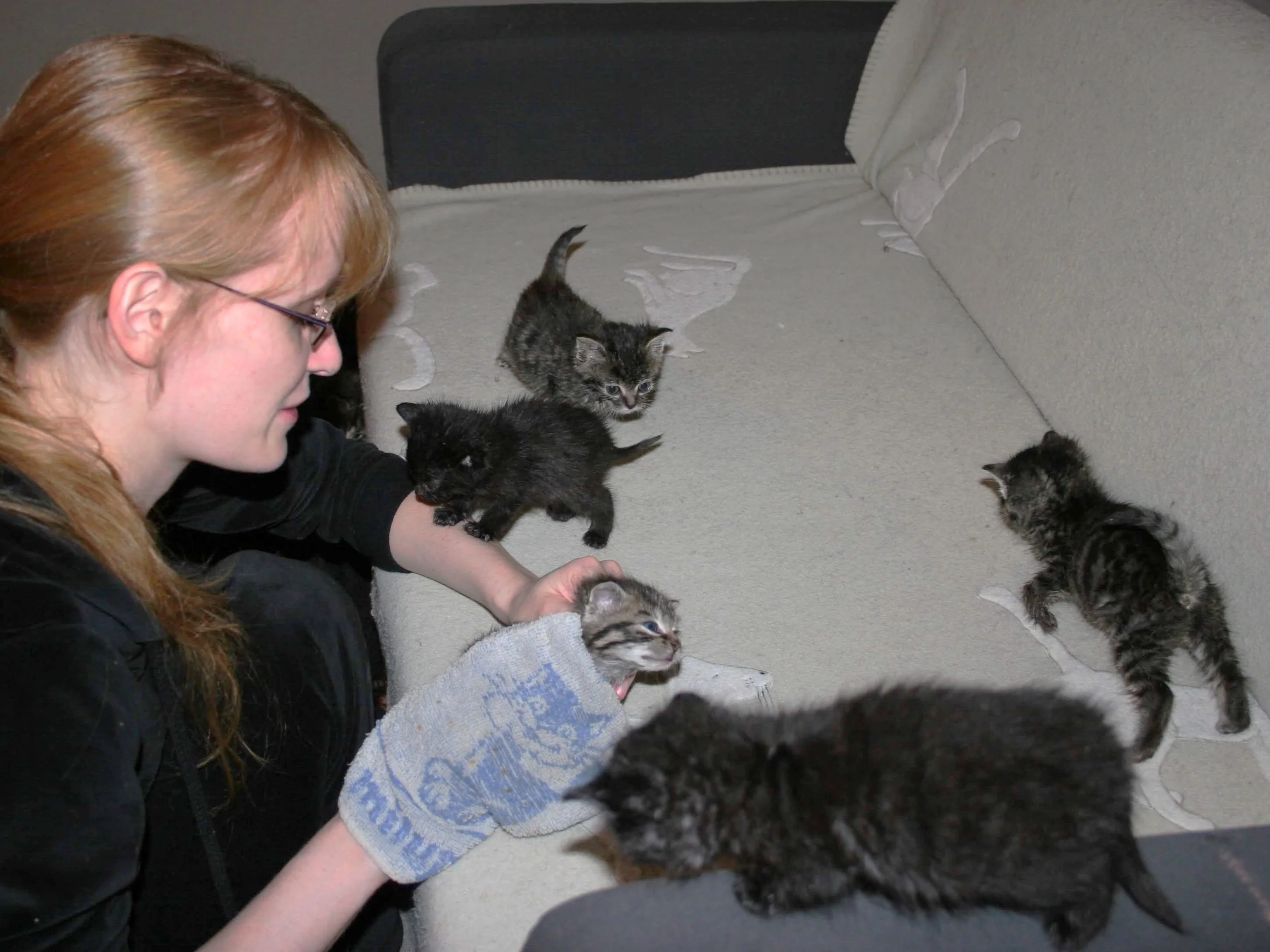
I became particularly attached to cats with traumatic histories. Hissing and scratching did not discourage me; I could spend hours sitting quietly beside them and showing them that humans could also be kind. Watching their confidence return and eventually seeing them leave for their new homes became one of the greatest rewards of this work.

Over the years, I joined several volunteer-run organisations, fostered more than one hundred cats, organised food collections, created websites and helped with administrative work. Apparently, even animal protection eventually finds a use for computer scientists.

Me with several of my foster cats

Fostering and rehabilitation

Some of the cats who temporarily called my home theirs.

Over the years, more than one hundred foster cats passed through my home. Some stayed only a few days, others needed months to recover, regain trust or simply become ready for adoption. This photograph captures only a small part of that constantly changing feline population.

HumAnima

From volunteering to co-founding an association.

HumAnima animal-protection association logo

In 2019, I co-founded HumAnima with five other women who shared the same values and determination to help animals in distress. The composition of the association’s management team has changed over the years, but I remain actively involved in its administration. I am also responsible for the website and for many of the association’s IT-related needs.

HumAnima cares for abandoned, stray, mistreated and vulnerable animals. They receive veterinary care, identification and sterilisation, regain confidence in foster homes and are then offered for responsible adoption when they are ready.

The association relies heavily on foster families, volunteers, donations and all the practical forms of help that allow rescue work to continue.

My cats

The four long-term feline residents.

Ksiusha, my first cat

Ksiusha

1991

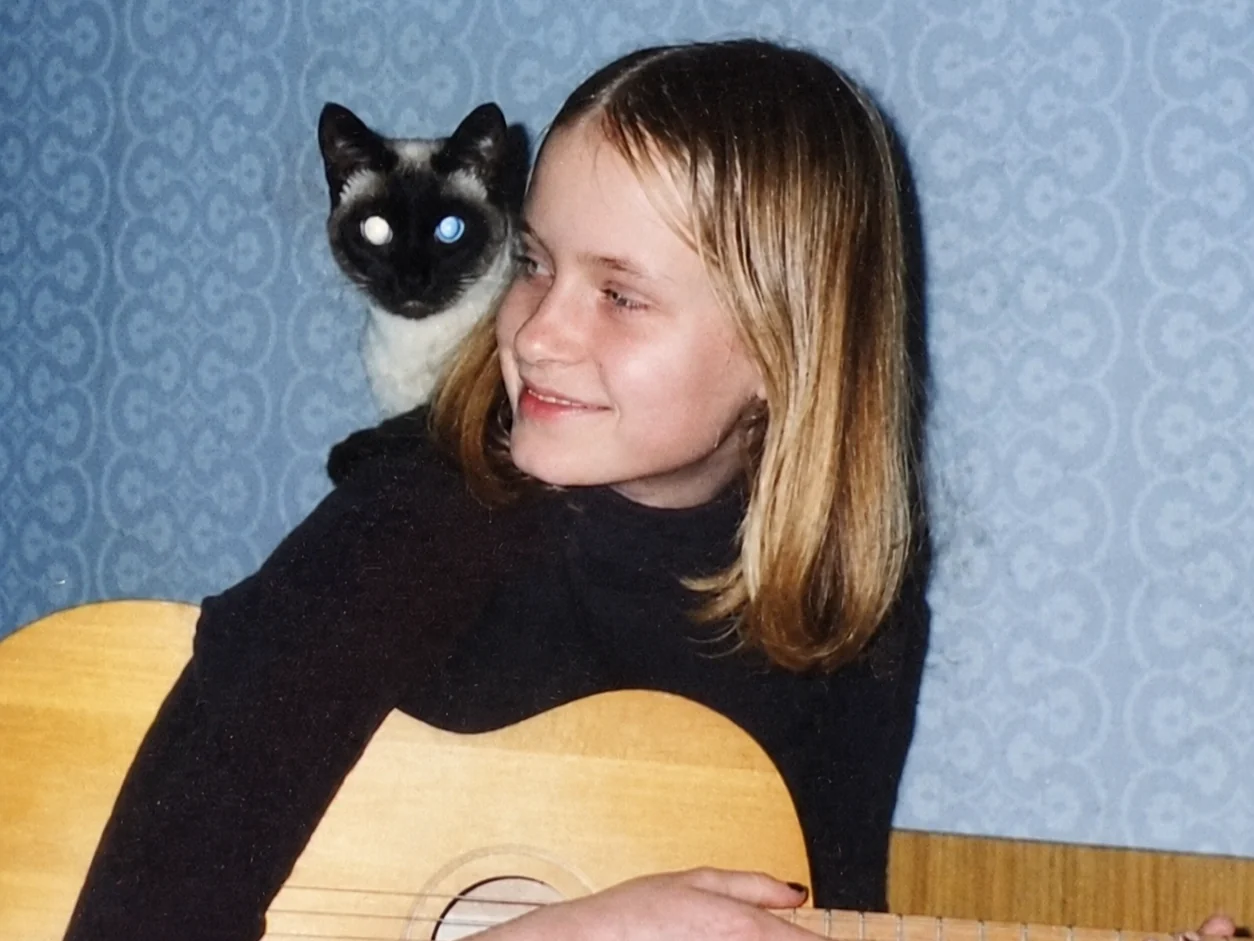
Ksiusha was my first cat and patiently endured all my childhood declarations of love. I loved her with such enthusiasm that she often preferred the relative peace of my mother’s company. During her first year, an accident left her unable to use her back legs. A veterinarian suggested euthanasia, but I was not ready to give up. A few months later, she was walking again and went on to spend another fifteen years with us.

Anton, the cat I found in Brussels

Anton

2002

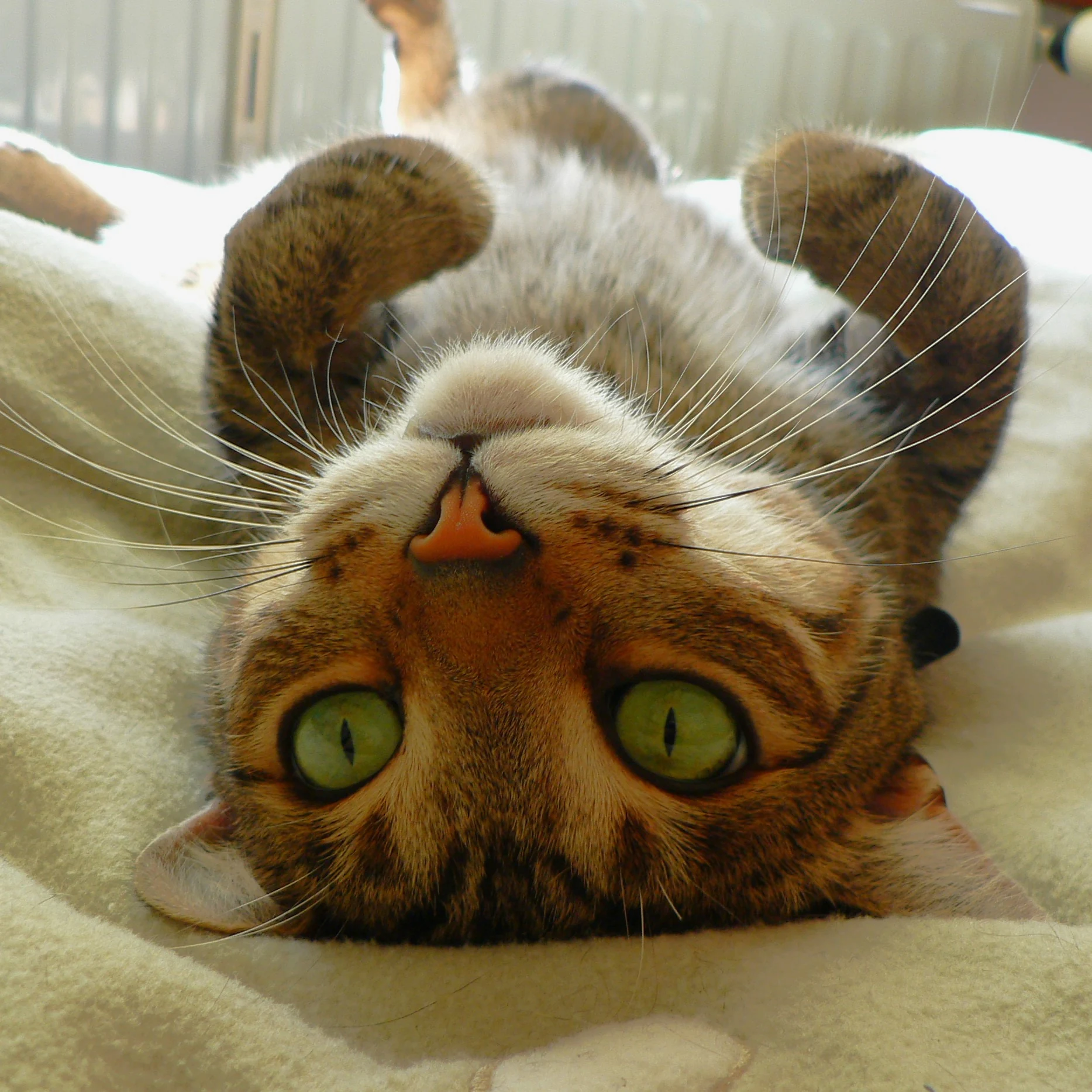
When I moved to Belgium, I found myself without a cat for the first time. Fortunately, this unacceptable situation lasted only a few weeks. In central Brussels, I spotted a thin young cat walking into every shop. When a shopkeeper came outside and asked whose cat he was, I immediately answered, “Mine.” Anton smelled terrible and was initially hungry enough to eat potatoes. Once restored to health, however, he quickly remembered that he was a cat and became very selective about the fish in his food.

Flint, the shelter cat who chose me

Flint

2009

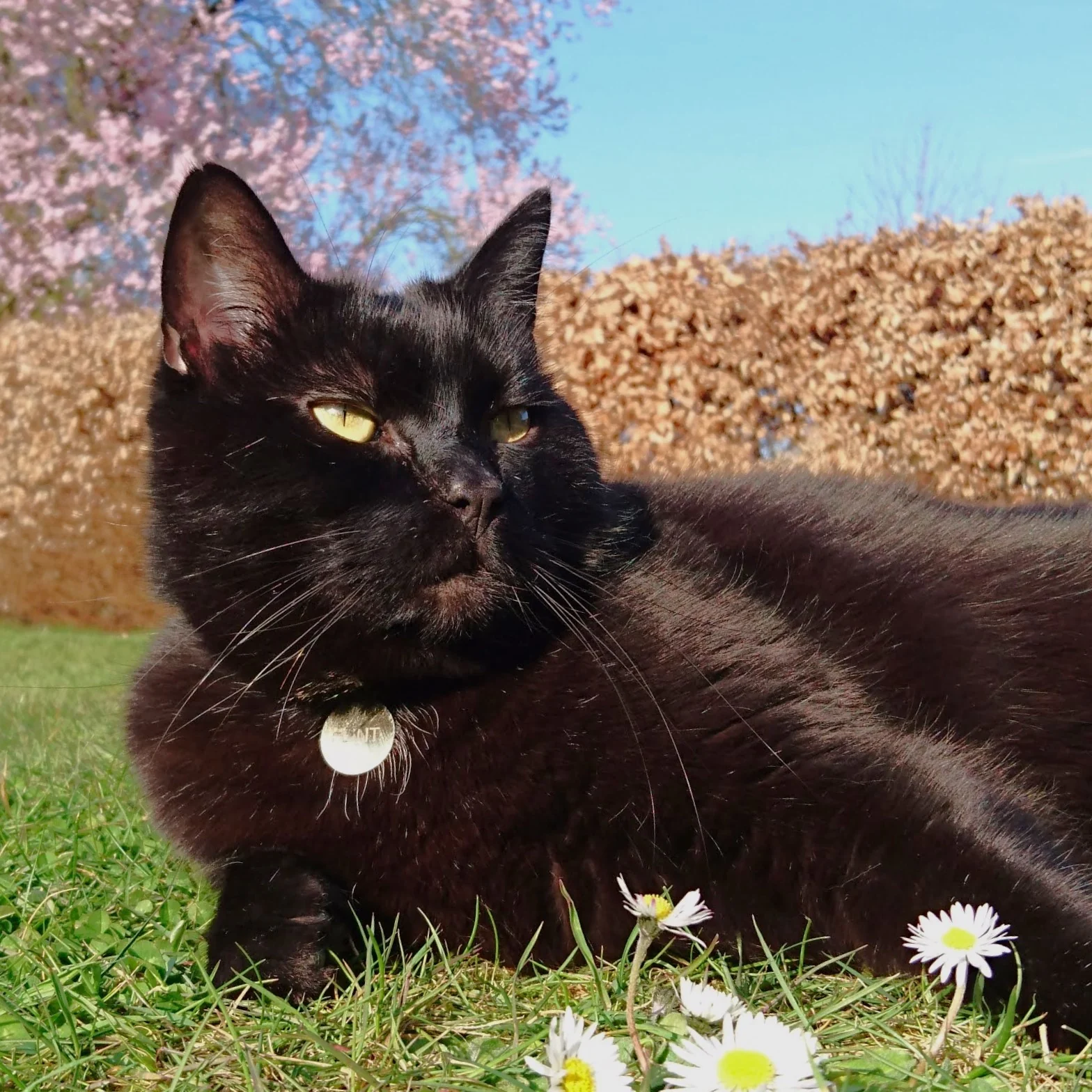
Flint did not wait for me to choose him. I met him during my first months at the shelter, where he was scruffy, unwell and exceptionally affectionate. I promised to find him a home, but he had already selected one: mine. He recognised my footsteps, waited for me at the cattery door and eventually defeated every argument I had against adopting another cat. On his first night at home, he slept on my head and purred continuously. Fourteen years later, this had still not become a temporary habit. Saying goodbye to him was one of the hardest moments of my life.

Bornéo, my unusual black cat

Bornéo

2024

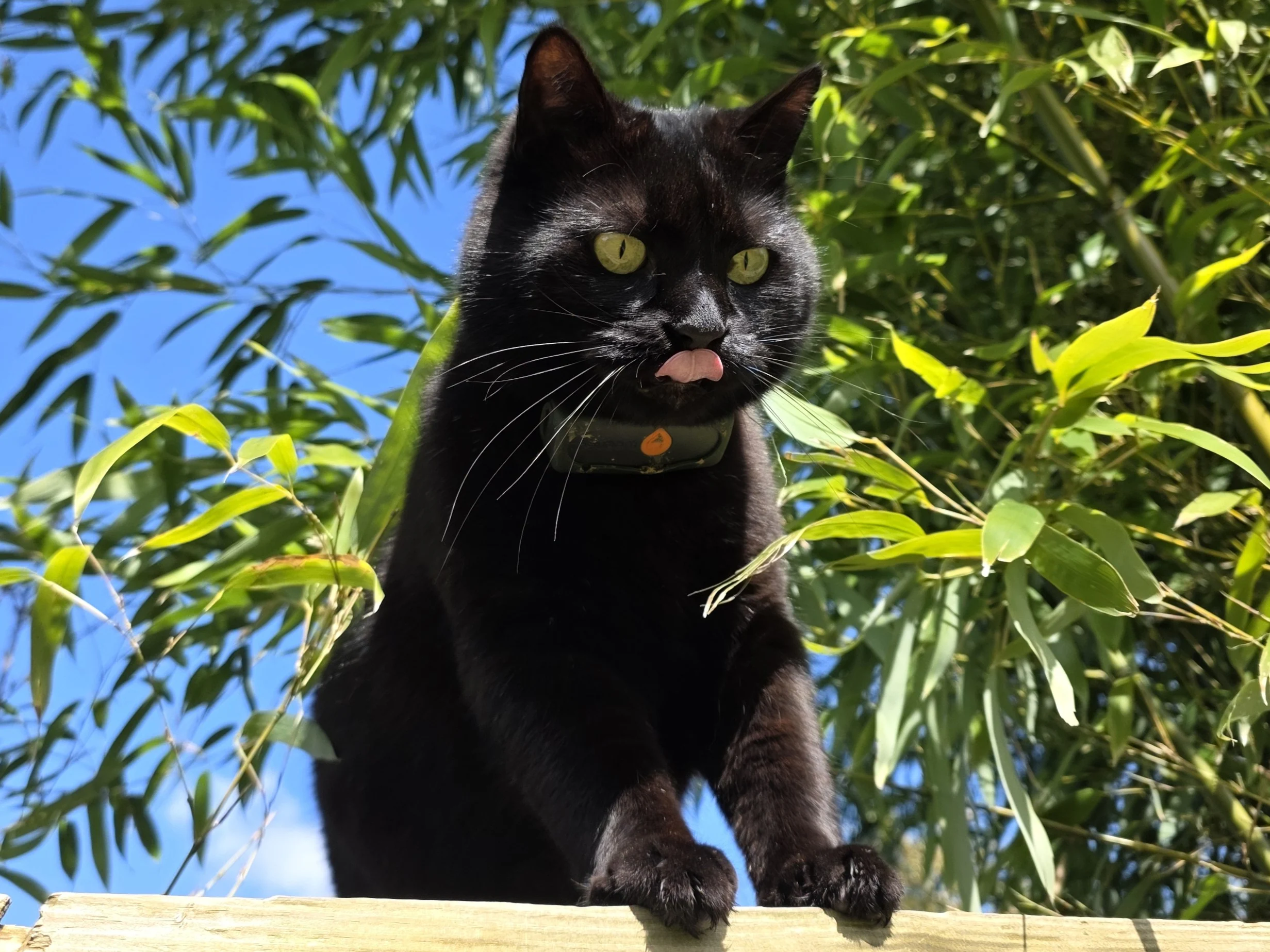
After Flint died, the silence of a cat-free home became unbearable. Bornéo officially arrived as a cat, although his behaviour often suggests a confused squirrel or possibly a small octopus. He constantly invents new ways to endanger himself: lying on stairs, hiding behind feet, disappearing against dark carpets and showing a suspicious interest in bats. His sleeping positions defy anatomy, and the sounds he produces only approximately qualify as meowing. Bornéo is living proof that evolution has a sense of humour.

Make a difference

Animal protection needs many kinds of people.

Fostering is only one way to help. Associations also need transport, administrative support, communication, event assistance, donations and many other skills. Somewhere in animal protection, there is probably a useful role for almost everyone.

Discover how to help HumAnima